Faith-filled learning, rooted in community.
You want your children to love Christ, learn well, and grow up among friends who share their faith. We’re exploring a small Orthodox Christian learning center in the Austin area where children in kindergarten through second grade would gather two or three days a week for teacher-led learning, prayer, and life in the Church, while you continue their education at home the rest of the week.
Please note: This is an early concept—not an open school or enrollment offer.
It takes a parish
Raising faithful children, together
If you’re raising young children in the faith, whether you were born into the Church or are just finding your way into it, you may feel stuck between two imperfect choices. Homeschooling gives you full say over what your children learn, but it can leave you and your children isolated. A public or private school offers community, but not one that shares your family’s faith.
We hope to offer a third way. In a world that often pulls against what you teach at home and at church, your children would spend two or three days a week learning alongside friends from the parish, in a classroom that reinforces it. You remain your children’s first teacher, but you won’t carry that work alone.
Our mission
To form young children in faith and in learning, within the life of the Orthodox Church and in close partnership with their families.
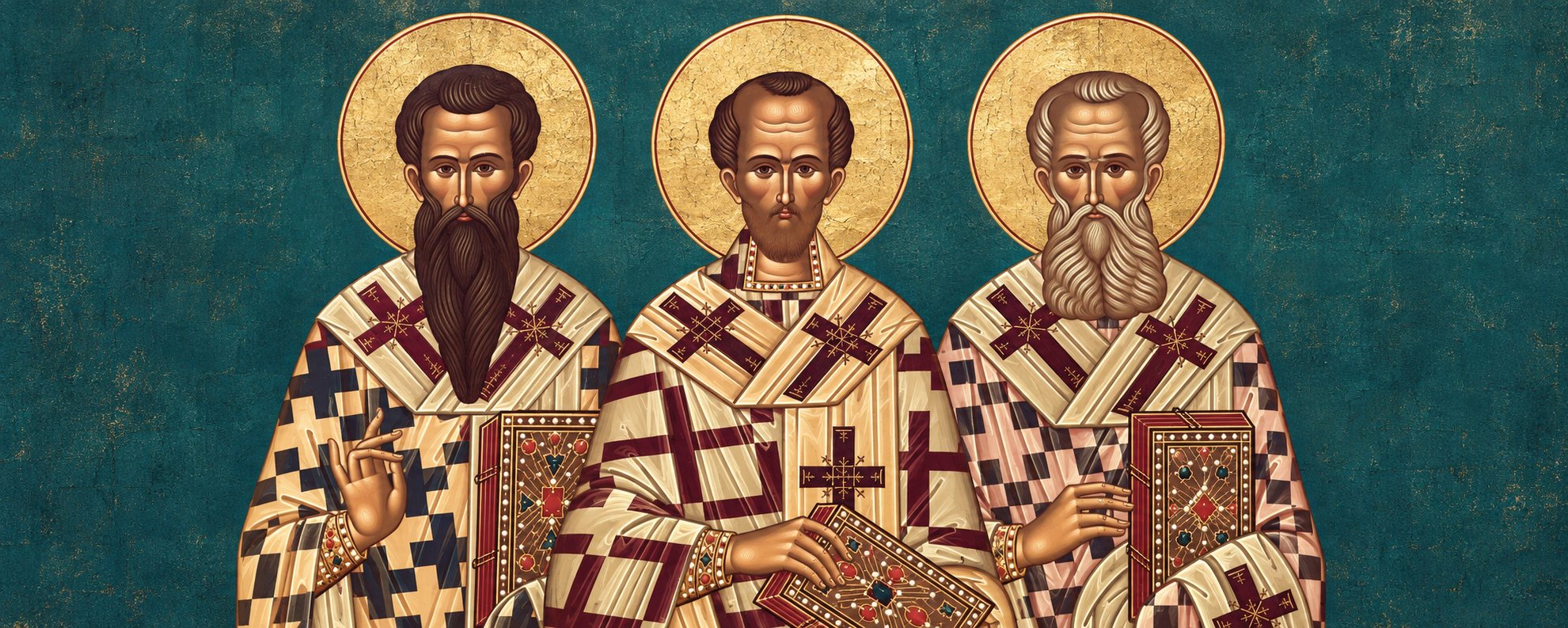
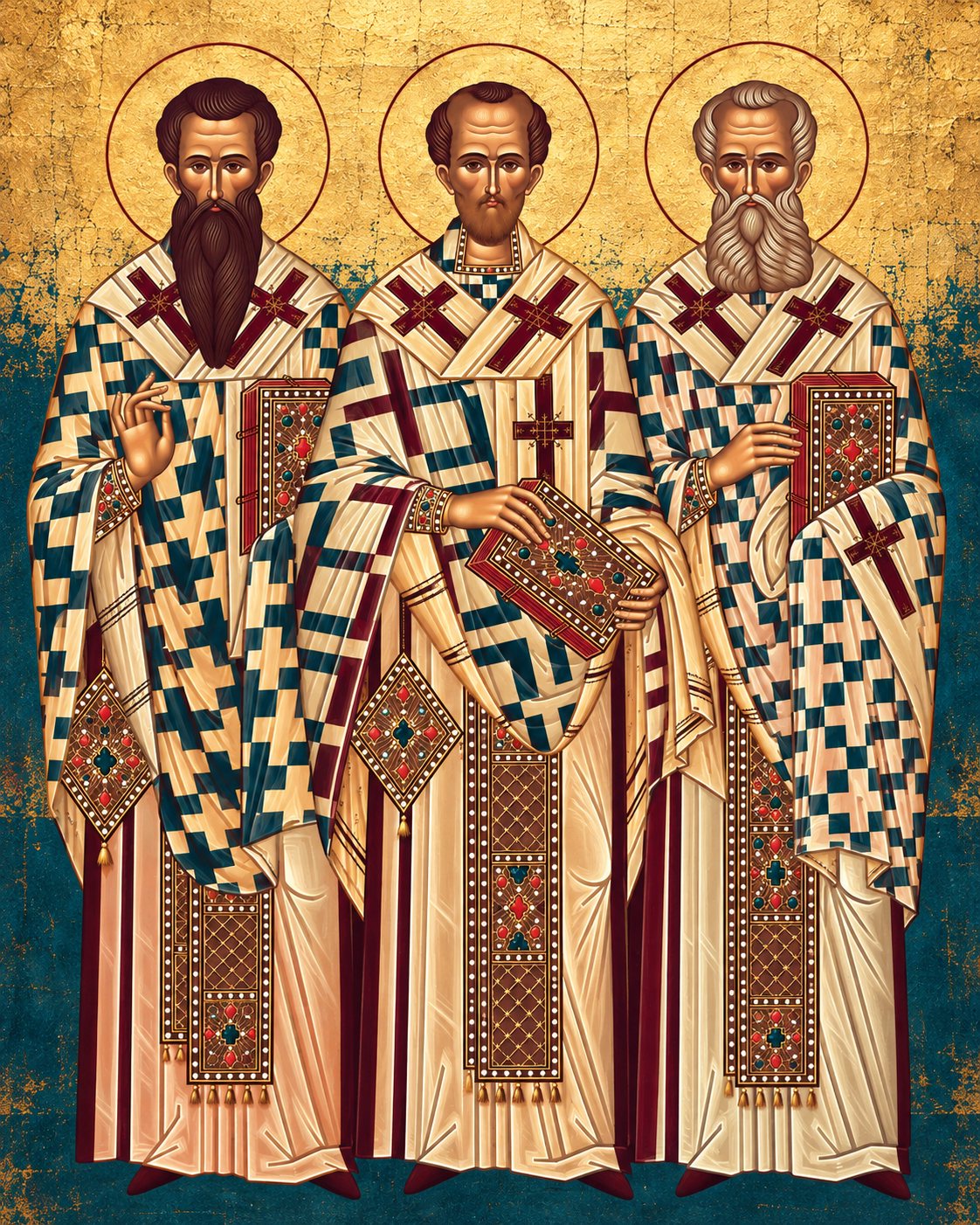
Named for Saints Basil the Great, John Chrysostom, and Gregory the Theologian, the Church’s traditional patrons of education and learning.
What we’re exploring
What we hope your children will gain
We’re drawn to a Montessori-inspired approach: hands-on learning, a calm and orderly classroom, and real-life skills, with a strong emphasis on reading, writing, and character. These are possibilities we’re shaping with families like yours, not a finalized curriculum.
-
Reading and writing
Confident readers and writers, through phonics, reading aloud, careful handwriting, and cursive.
-
Stories that shape the heart
The Biblical values you teach at home, brought to life through Scripture stories and the lives of the saints.
-
Practical life
Everyday skills like cooking, counting money, and working together, so children grow capable and helpful.
-
Grace and courtesy
Politeness, listening well, following instructions, and getting along with others: the habits you’re already building at home.
-
Numbers, nature, and wonder
Hands-on math, along with history, nature, and art to feed your child’s curiosity.
-
Prayer and the Church year
Prayer and learning shaped by the Orthodox calendar, so home, church, and classroom tell the same story.
The proposed model
Together in the classroom, together at home
Here’s what a week might look like for your family. Every detail is still open, and your input will help shape it.
- Who
- A pilot for kindergarten through 2nd grade (about ages 5–8)
- Weekly rhythm
- Two or three in-person days per week
- Where
- The Austin area; a location has not yet been selected
- Families
- You stay at the center of your child’s education, in partnership with the teachers
- Where things stand
- Early planning. The schedule, tuition, curriculum, and church relationship are still being developed.
Curriculum directions
Programs we’re looking at
These are established programs we’re researching as possible building blocks. None has been chosen, and we aren’t affiliated with or endorsed by any of them. Each link goes to the program’s own website, so you can explore them yourself.
Faith formation
-
Catechesis of the Good Shepherd
A Montessori-based approach to faith formation used in Orthodox parishes across the US. Children work with hands-on materials in a prayerful room called an atrium.
CGS in Orthodox parishes -
Blessed Is the Kingdom
A free church-school curriculum from the Orthodox Church in America, built around the Divine Liturgy, with lessons for kindergarten through second grade.
OCA Christian Education lessons
Reading and writing
-
The Montessori language approach
Sandpaper letters, the moveable alphabet, and cursive taught first, with writing leading naturally into reading.
How Montessori teaches reading and writing -
Logic of English Foundations
A structured phonics program with handwriting built in and a cursive edition, clear enough for parents to continue at home.
About Foundations
Mathematics
-
RightStart Mathematics
Hands-on math with Montessori roots, using an abacus and card games to build real number sense.
Visit RightStart Mathematics -
Math-U-See
A mastery-based program with building blocks and short lesson videos that help parents teach confidently at home.
Visit Math-U-See
Practical life skills and lessons in grace and courtesy come from the Montessori tradition itself, so they would be woven through the day rather than taught from a separate program.
Interest list
Tell us what your family needs
A few short questions about your children and your hopes for their education. Your answers help us decide whether to move forward and what to build. Adding your name is not a commitment of any kind.
Questions
Frequently asked questions
Is the center open or accepting enrollment?
No. The Three Hierarchs Learning Center is an early concept. It isn’t open, and we aren’t accepting enrollment or applications. Joining the interest list simply helps us learn whether families would want something like this.
Where will it be located?
Somewhere in the Austin area. A site has not been selected. Telling us your city or part of town helps us understand where interested families live.
What will tuition and the schedule be?
Neither has been decided. We’re considering two or three in-person days per week, and we’re asking families what tuition might be workable so that cost can be planned with real needs in mind.
What will students learn?
The educational model and curriculum are still being explored. We’re drawn to a Montessori-inspired approach with a strong emphasis on reading, writing, and cursive; Biblical values taught through Scripture stories and the lives of the saints; practical skills like cooking, counting money, and cooperation; and everyday courtesy, such as listening well and following instructions. Nothing is final yet.
How much would I teach at home?
On home days, you would guide your children’s learning. How much structure and support the center would provide for those days is still being worked out, and what parents tell us they need will shape it.